

Essential Tips for Securing Your Home: Door, Window, and Smart Security Solutions
Your home should be a safe haven, a place where you feel secure and protected. With rising concerns about safety, it’s more important than ever to make sure your home is secure against potential intruders. Whether you live in an urban neighborhood or a quieter area, taking steps to secure your home can give you peace of mind and keep your family safe. Here’s a guide to enhancing the security of your home, from strengthening doors and windows to implementing smart security solutions.
1. Strengthen Your Doors
Your doors are the primary entry points to your home, and they should be strong and secure. A few strategic upgrades can make it difficult for intruders to gain entry.
Install Solid Core or Metal Doors:
Opt for solid wood, metal, or reinforced doors for all exterior entrances. Hollow-core doors, often used for interior spaces, are much easier to break through and should not be used on external entrances. A strong, durable door is the first line of defense.
Reinforce Door Frames and Hinges:
Even a solid door can be vulnerable if the frame is weak. Reinforce the frame with steel plates or heavy-duty strike plates, and use longer screws (at least 3 inches) to secure hinges and locks. This makes it more resistant to forceful entry.
Upgrade to Deadbolt Locks:
If your doors currently use basic latch locks, consider upgrading to a deadbolt lock, which provides an additional layer of security. For even more protection, install a double-cylinder deadbolt that requires a key on both sides, although keep an extra key accessible in case of emergencies.
Consider a Door Security Bar or Chain Lock:
A door security bar or chain lock is an inexpensive and effective way to add extra security to your doors, especially for vulnerable areas like back or side doors. These mechanisms prevent doors from being opened even if the lock is picked.
2. Secure Your Windows
Windows are another vulnerable entry point. Intruders often target windows, especially those on the ground floor. Adding a few simple upgrades can make windows much harder to access or break through.
Install Window Locks or Latches:
Standard window latches can be easy to force open, so consider adding keyed locks or additional window latches to reinforce security. Sliding windows, in particular, benefit from metal or wooden bars placed in the track to prevent them from being forced open.
Use Security Film on Glass:
Security film is a clear, adhesive layer that strengthens glass, making it difficult to shatter. Even if the window is hit, the film holds the glass together, slowing down any attempt to break through. This can be especially useful for large windows or sliding glass doors.
Install Window Grilles or Bars:
For windows in areas that may be more exposed, like ground floor windows facing the street, consider installing decorative metal grilles or bars. Modern window bars come in stylish designs and can blend seamlessly with your home’s aesthetic, providing both security and visual appeal.
Consider Motion-Activated Exterior Lights Near Windows:
Installing motion-activated lights outside windows can be a deterrent to intruders, as they are less likely to attempt entry if a light suddenly turns on. Place lights around ground-floor windows or other vulnerable areas where someone could approach unseen.
3. Secure Your Property Perimeter
Creating a secure perimeter around your home makes it more challenging for intruders to approach unnoticed. Simple upgrades to your outdoor space can enhance the overall security of your property.
Install High Fences with Locked Gates:
Fences provide a physical barrier that makes it harder for potential intruders to access your property. Choose a fence that is tall enough to deter climbing, and make sure gates have locks. For an added layer of security, avoid leaving any large objects near the fence that could be used to climb over.
Use Thorny Shrubs as Natural Barriers:
Consider planting thorny or dense shrubs near windows or fences. These plants act as natural barriers that make it uncomfortable for anyone attempting to approach your home through these areas.
Add Outdoor Lighting with Timers or Motion Sensors:
Good lighting is essential for securing your home’s exterior. Place lights at entry points, pathways, and around the perimeter. Motion sensor lights are especially effective, as they only turn on when someone is nearby, alerting you to movement.
4. Invest in Smart Security Solutions
Smart home security systems offer convenience and advanced protection, allowing you to monitor your home remotely. With a smartphone, you can keep an eye on your home, no matter where you are.
Install Smart Cameras at Key Entry Points:
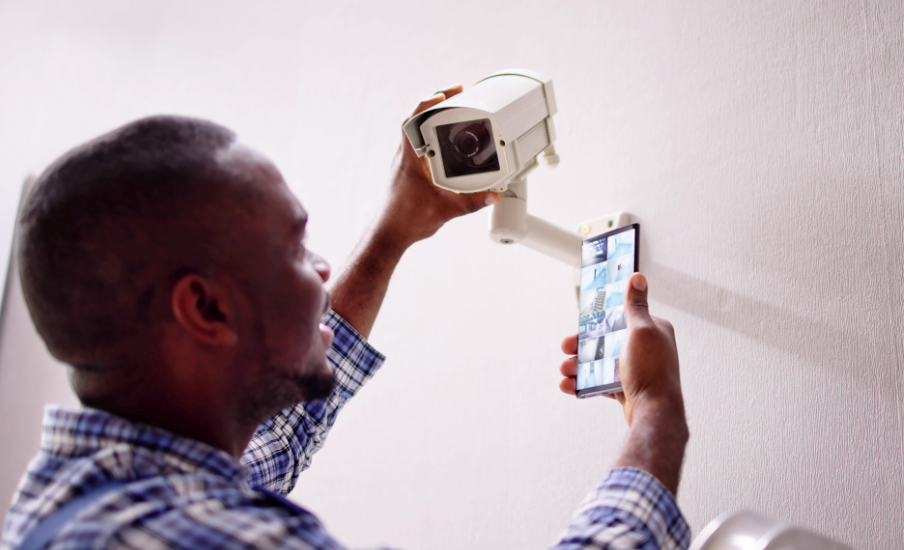
Place smart security cameras at all entry points, including the front door, back door, and garage. Modern cameras offer high-definition video, night vision, and motion detection, and they allow you to check live feeds from your phone. Many systems also include storage options to record footage for future reference.
Use Video Doorbells:
A video doorbell lets you see who’s at your door before opening it. When someone rings the bell or approaches, you receive a notification on your phone, allowing you to communicate with the visitor even if you’re not home. This is especially useful for managing deliveries and ensuring that strangers know they’re being monitored.
Set Up Smart Locks for Controlled Access:
Smart locks let you lock and unlock doors remotely or with a unique code instead of a physical key. Some smart locks even allow you to set temporary access codes for guests or service providers. This is helpful if you have housekeepers or repair technicians coming over while you’re away.
Consider a Home Security Hub with Sensors:
Many smart security hubs come with additional sensors for windows, doors, and even smoke detection. A hub collects data from these sensors and notifies you if anything unusual is detected, such as a window opening unexpectedly. This can be an affordable and comprehensive solution for monitoring your home.
5. Establish Daily Security Habits
Beyond upgrades and technology, daily habits play a crucial role in securing your home. Small, consistent actions can make a big difference.
Always Lock Doors and Windows, Even When You’re Home:
It may sound simple, but always locking doors and windows is one of the most effective ways to keep your home safe. Make it a habit to check locks before going to bed or leaving the house.
Don’t Leave Spare Keys Outside:
Avoid leaving spare keys under doormats, flowerpots, or other “hidden” spots near the door. Instead, give a spare key to a trusted neighbor or family member, or consider installing a secure key safe that only you and selected individuals can access.
Be Cautious with Social Media Posts:
Avoid sharing details about your location, travel plans, or valuables on social media. If you’re planning to be away, refrain from posting about it until after you’ve returned. This reduces the risk of potential intruders knowing your home is vacant.
Create the Illusion of Occupancy When You’re Away:
If you’ll be away for an extended period, use smart lights or timers to turn lights on and off, making it appear as if someone is home. Ask a neighbor to collect your mail, as an overflowing mailbox can be a signal that the house is empty.
Conclusion: Layered Security for Comprehensive Protection
Securing your home involves a combination of physical upgrades, smart technology, and consistent daily habits. By reinforcing doors and windows, enhancing outdoor security, investing in smart security solutions, and adopting good practices, you can significantly improve the safety of your home. Protecting your home isn’t just about keeping intruders out—it’s about creating peace of mind and a secure environment for you and your loved ones.
For added support, consider enlisting the help of professionals for installations and upgrades. A well-secured home is a priceless investment in your safety and comfort. Start small, layer your security measures, and enjoy the peace that comes with a safer, more secure home.
We write rarely, but only the best content.
